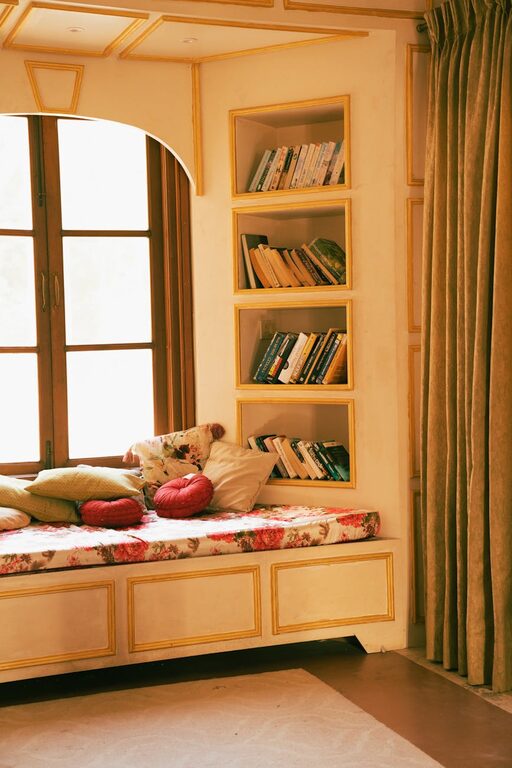

Tips for Creating a Relaxing Home Workspace to Boost Productivity and Wellbeing
gyhunuo.pro >> population>> Tips for Creating a Relaxing Home Workspace to Boost Productivity and Wellbeing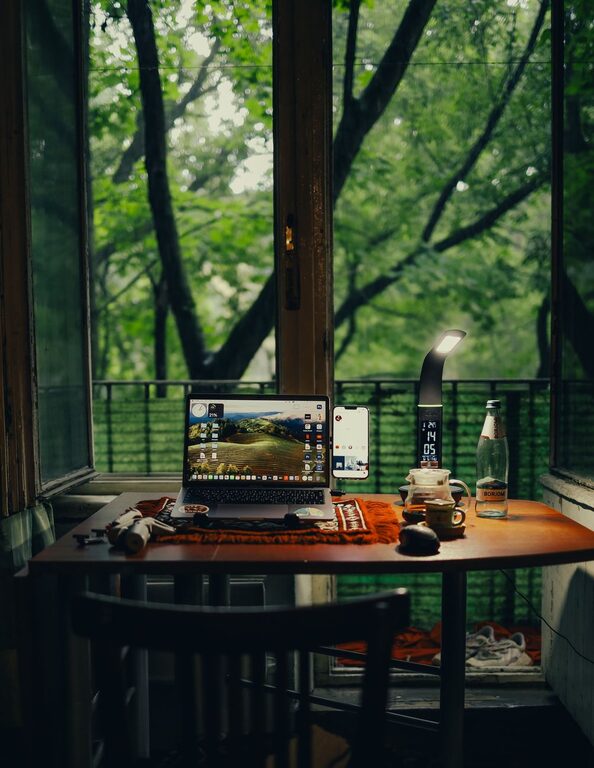
Tips for Creating a Relaxing Home Workspace to Boost Productivity and Wellbeing
Creating a home workspace that feels relaxing and inviting is more important than ever. Whether you work from home full-time or just occasionally, the right environment can help you stay focused, reduce stress, and improve your overall wellbeing. Here are some practical tips to guide you in setting up a space that supports both productivity and relaxation.
Choose the Right Location
Start by selecting a spot in your home that suits your work style and daily routine. Ideally, this should be a quiet corner with minimal distractions. A room with natural light is perfect, but if that’s not possible, pick a space where you can add good quality artificial lighting.
Consider these points:
– Avoid high traffic areas where noise and interruptions are common.
– Use a room divider or screens if your workspace shares space with other activities.
– Keep your workspace separate from your relaxation zones to help mentally distinguish work time from rest.
Invest in Comfortable and Functional Furniture
Your desk and chair are the foundation of your workspace. Comfort and ergonomics are key to staying focused and avoiding fatigue or discomfort.
Tips for furniture:
– Choose a chair with good lumbar support and adjustable height.
– The desk height should allow your arms to rest comfortably at around a 90-degree angle.
– Consider sit-stand desks or adjustable options to vary your posture throughout the day.
Prioritise Natural Light and Air Quality
Natural light helps regulate your body clock and can positively impact your mood and energy levels. Position your desk near a window if possible. If natural light is limited, invest in daylight bulbs.
Good air quality also plays a big role in keeping you alert and comfortable.
Ways to improve:
– Open windows periodically to let fresh air in.
– Add some indoor plants which can boost oxygen levels and create a calming atmosphere.
– Use a fan or air purifier if the air quality indoors is poor.
Keep Your Workspace Tidy and Organised
Clutter can be distracting and overwhelming. Maintaining an organised workspace can help clear your mind and make your workday run smoother.
Organising tips:
– Use trays, drawer organisers, and storage boxes to keep supplies neat.
– Clear your desk at the end of each day.
– Keep only essentials within easy reach and store infrequently used items away.
Add Calming Elements
Personal touches can make your workspace more inviting. Consider incorporating elements known to promote relaxation.
Ideas include:
– A small indoor plant or a vase of fresh flowers.
– Soft furnishings such as a cushion or a blanket for added comfort.
– A few inspiring photos or artwork on the wall.
– Aromatherapy diffusers with calming scents like lavender or eucalyptus.
Manage Noise Levels
Excessive noise or sudden interruptions can break your concentration and increase stress. Aim to control the sound environment in your workspace.
Strategies to reduce noise:
– Use noise-cancelling headphones or listen to calming instrumental music.
– Add rugs, curtains, or soft furnishings to absorb sound.
– If possible, place your workspace away from noisy appliances or busy streets.
Establish Clear Boundaries
Working from home can blur the lines between personal life and work. Having clear boundaries helps maintain a balance and prevents burnout.
Ways to set boundaries:
– Define your working hours and communicate them to family or housemates.
– Use a dedicated workspace that you can “leave” at the end of the day.
– Avoid checking work emails or tasks outside your set hours.
Incorporate Movement and Breaks
Regular breaks and movement help prevent stiffness and keep your mind fresh.
Tips to stay active:
– Take short breaks every hour to stretch or walk around.
– Perform simple desk exercises or stretches.
– Use a timer or app to remind you to take regular breaks.
Make Technology Work for You
Technology can improve productivity but can also add to stress if not managed well.
Keep these in mind:
– Organise cables with clips or sleeves to avoid a tangled mess.
– Use apps and tools to manage your tasks and time efficiently.
– Adjust screen brightness and use blue light filters to reduce eye strain.
Conclusion
A relaxing home workspace doesn’t mean sacrificing productivity—quite the opposite. When your workspace is comfortable, organised, and tailored to your needs, you’re more likely to feel motivated, focused, and calm. With these tips, you can create an environment that supports your wellbeing while boosting your productivity day after day. Remember, the best workspace is one that feels right for you!
Related Post
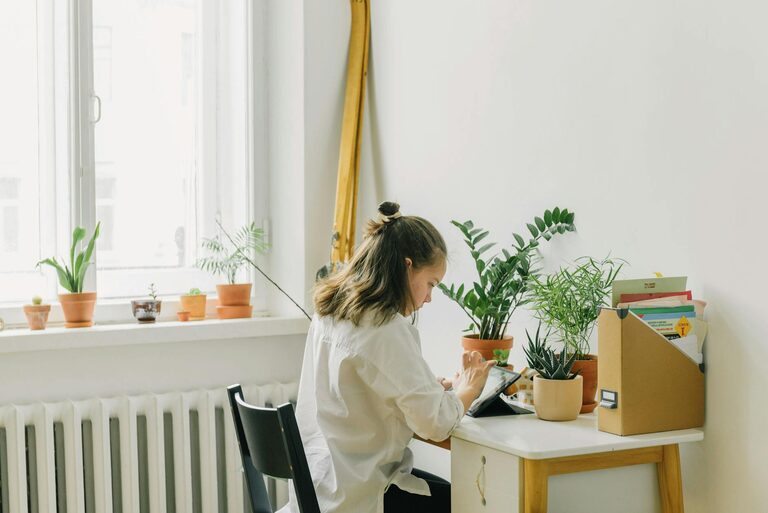
Tips for Creating a Relaxing and Productive Home Workspace
Creating a home workspace that is both relaxing and productive can greatly improve your work-from-home…